Fractal Pattern Thorn Circle
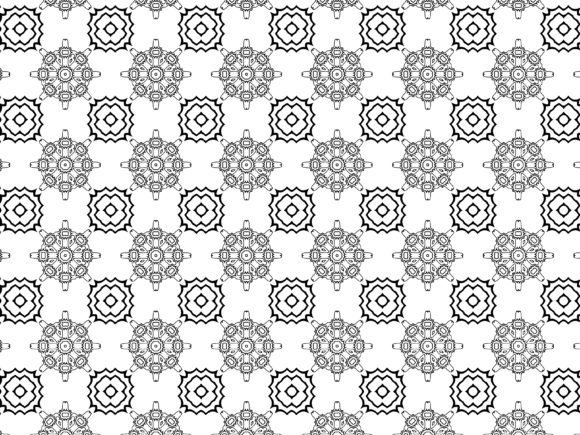
The Fractal Pattern Thorn Circle is a visually compelling and conceptually rich design that blends mathematical precision with organic aesthetics. At its core, it represents the recursive nature of fractals—patterns that repeat at different scales—interwoven with the sharp, angular elements of thorns. This unique combination creates a dynamic visual language that resonates across multiple creative and practical domains.
Strategic Utility of Fractal Pattern Thorn Circle
When applied strategically, the Fractal Pattern Thorn Circle can serve as more than just an aesthetic choice. It functions as a metaphor for complexity, repetition, and transformation—key themes in modern design and business strategy. The pattern’s self-similar structure mirrors the way systems evolve, making it particularly useful for those looking to build coherence in branding, user experience, or product development.
For entrepreneurs and marketers, the Fractal Pattern Thorn Circle offers a versatile tool for creating consistent visual identities. Its intricate yet structured form allows for seamless integration into logos, packaging, and digital assets. This consistency reinforces brand recognition while maintaining a level of sophistication that appeals to both consumers and professionals.
Why Fractal Pattern Thorn Circle Matters in Design
Designers working on projects like web backgrounds, print materials, or textile patterns often seek elements that are both striking and functional. The Fractal Pattern Thorn Circle excels in this regard. Its ability to scale without losing clarity makes it ideal for use in digital environments where resolution and adaptability are critical.
Additionally, the pattern’s layered structure invites deeper engagement. When used in gift wrapping paper or home decor, it adds a tactile and visual depth that elevates the overall experience. For those in the cosmetics or food branding industries, the Fractal Pattern Thorn Circle can convey strength, natural beauty, and a sense of craftsmanship—all without being overly literal.
Use Cases and Practical Applications
The versatility of the Fractal Pattern Thorn Circle extends beyond traditional design fields. In textile design, it can be woven into fabrics that evoke both elegance and resilience. In home decor, it can be used to create wall art, table runners, or decorative panels that reflect a modern, artistic sensibility.
For freelancers and bloggers, the Fractal Pattern Thorn Circle can enhance the visual appeal of content without overwhelming the reader. Whether as a background for a blog post or as an accent in a presentation, it adds a subtle but impactful element that aligns with the theme of creativity and innovation.
Professionals in education and publishing may find value in using the Fractal Pattern Thorn Circle to create engaging learning materials. Its complexity and symmetry can aid in teaching concepts related to mathematics, art, or design, while its visual appeal ensures that learners remain interested and motivated.
Planning and Implementation Tips
Before incorporating the Fractal Pattern Thorn Circle into a project, consider the following:
- Context: Ensure the pattern aligns with the overall message and tone of your project. A bold, angular design may not be suitable for all brands or audiences.
- Scale: Test the pattern at different sizes to ensure it remains legible and visually appealing across various mediums.
- Integration: Use the pattern as a supporting element rather than the sole focus. Balance it with other design components to maintain harmony.
- Consistency: Apply the pattern consistently across all touchpoints to reinforce brand identity and user experience.
When planning the use of the Fractal Pattern Thorn Circle, think about how it contributes to your broader goals. Does it support communication? Enhance creativity? Improve customer experience? By aligning the pattern with specific objectives, you can maximize its strategic value.
Risks and Considerations
While the Fractal Pattern Thorn Circle offers many benefits, it is important to approach its use with intention. Without clear goals or context, the pattern can become a distraction rather than a tool. Overuse or misapplication may lead to visual clutter, reduced brand clarity, or a lack of emotional resonance with the audience.
Additionally, the complexity of the pattern may pose challenges in terms of production and implementation. For example, when using it in print media or textiles, it is essential to ensure that the design translates well across different materials and formats. Always test the pattern in real-world conditions before finalizing its use.
Long-Term Value and Strategic Thinking
The Fractal Pattern Thorn Circle is not just a design element—it is a strategic asset. By understanding its underlying principles and applying them thoughtfully, creators can unlock new possibilities in their work. Whether designing for branding, operations, or customer experience, the pattern encourages a mindset of intentional creation and meaningful communication.
Strategic thinking involves recognizing patterns, anticipating outcomes, and making decisions based on long-term value. The Fractal Pattern Thorn Circle embodies these principles by offering a design that is both complex and adaptable. It invites users to explore, experiment, and innovate, ultimately leading to better results and more satisfying outcomes.
Conclusion
In conclusion, the Fractal Pattern Thorn Circle is a powerful and versatile design that can support a wide range of creative and strategic objectives. Its unique blend of mathematical structure and organic beauty makes it an excellent choice for designers, entrepreneurs, and professionals seeking to enhance their visual communication and brand identity.
By approaching the Fractal Pattern Thorn Circle with intention, creativity, and strategic thinking, you can unlock its full potential and achieve better results in your work. Whether you're designing for web backgrounds, textiles, or product branding, this pattern offers a compelling foundation for success.