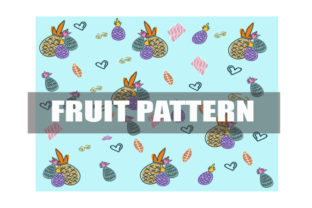
Fruit Design Pattern and Flat Design Patterns of Fruits: A Practical Guide
When it comes to graphic design, the visual elements used can significantly impact the overall aesthetic and usability of a project. Two popular design approaches that have gained traction in recent years are the Fruit Design Pattern and flat design patterns. These styles are not only visually appealing but also highly versatile, especially when it comes to creating scalable and reusable assets. One key advantage of these design patterns is their availability in various formats, including EPS files, which are widely supported across different design software.
The Fruit Design Pattern is a unique approach that draws inspiration from nature. It often features stylized fruit shapes, textures, and colors that mimic real-life fruits while maintaining a clean and modern look. This design pattern is particularly popular in branding, packaging, and digital interfaces where a fresh and organic feel is desired. The use of natural elements like fruits adds an emotional connection to the design, making it more engaging for the audience.
Flat design, on the other hand, emphasizes simplicity and minimalism. It eliminates gradients, shadows, and complex effects in favor of bold colors, clean lines, and clear typography. This style is ideal for creating modern, user-friendly interfaces that prioritize functionality over ornamentation. Flat design is commonly used in web and mobile applications, where performance and accessibility are crucial factors.
Both the Fruit Design Pattern and flat design can be adapted to suit a wide range of industries. For example, in the food and beverage sector, the Fruit Design Pattern can be used to create eye-catching packaging designs that highlight the freshness and quality of the product. In contrast, flat design is often preferred for app interfaces or website layouts that require a streamlined and intuitive user experience.
One of the most significant advantages of using these design patterns is the availability of high-quality EPS files. EPS (Encapsulated PostScript) files are vector-based, which means they can be scaled without losing quality. This makes them ideal for use in both print and digital media. Whether you're working on a logo, a poster, or a website, having access to EPS files ensures that your design remains sharp and professional at any size.
When searching for EPS files related to the Fruit Design Pattern, designers often look for variations that offer flexibility in terms of color schemes, shapes, and textures. Some EPS files may include multiple fruit elements that can be combined or customized to fit specific project needs. Others may feature intricate details such as leaf patterns or realistic shading that enhance the overall visual appeal.
Flat design EPS files, on the other hand, typically focus on clean, geometric shapes and minimalistic aesthetics. These files are often optimized for use in digital environments, where file size and loading speed are important considerations. Many flat design EPS files come with pre-set color palettes that make it easy to maintain consistency across different design elements.
For designers who work across multiple platforms, having access to EPS files that are compatible with various software is essential. Whether you're using Adobe Illustrator, Inkscape, or even basic graphic design tools, the ability to open and edit EPS files ensures that your workflow remains efficient and uninterrupted. Additionally, EPS files can be easily converted into other formats such as PNG or SVG, providing further versatility in how they can be used.
It's also worth noting that the Fruit Design Pattern can be combined with flat design principles to create a unique and modern aesthetic. By integrating the organic elements of the Fruit Design Pattern with the clean lines and minimalism of flat design, designers can achieve a balance between creativity and functionality. This hybrid approach is especially useful in projects that require both visual appeal and practicality.
When choosing between the Fruit Design Pattern and flat design, it's important to consider the target audience and the purpose of the design. If the goal is to evoke a sense of natural beauty and warmth, the Fruit Design Pattern may be the better choice. However, if the focus is on clarity, efficiency, and modernity, flat design is likely the way to go.
In addition to their visual appeal, both design patterns offer practical benefits. The Fruit Design Pattern can help brands stand out by creating a distinct and memorable identity, while flat design promotes accessibility and ease of use in digital interfaces. Both styles also support scalability, allowing designers to adapt their work to different mediums and platforms without compromising quality.
Designers who are looking to incorporate these patterns into their projects should also consider the licensing and usage rights associated with the EPS files they download. Ensuring that the files are royalty-free or properly licensed is essential to avoid legal issues, especially when using them for commercial purposes.
Ultimately, the choice between the Fruit Design Pattern and flat design depends on the specific needs of the project. Both styles have their own strengths and can be used effectively in a variety of contexts. By understanding the characteristics and applications of each, designers can make informed decisions that align with their creative goals and business objectives.