Seamless Pattern Bundling Glass: A Creative Resource for Designers and Creators
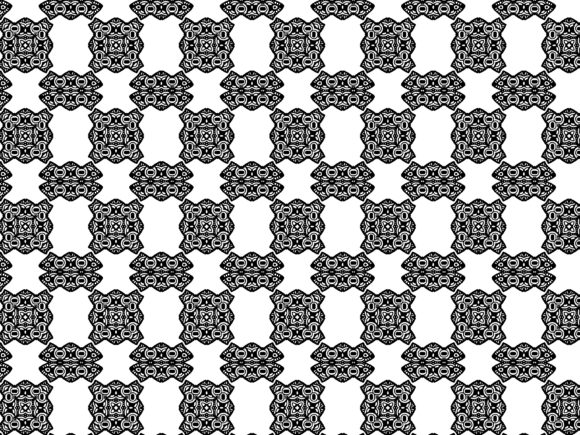
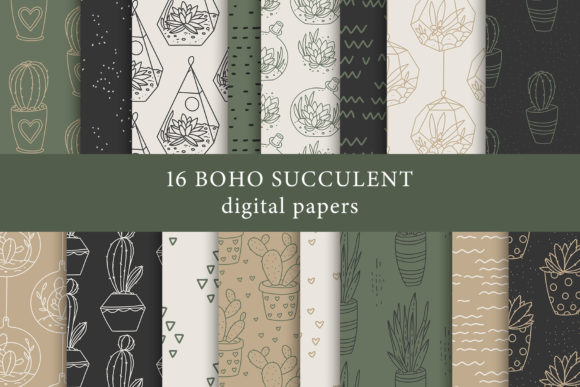
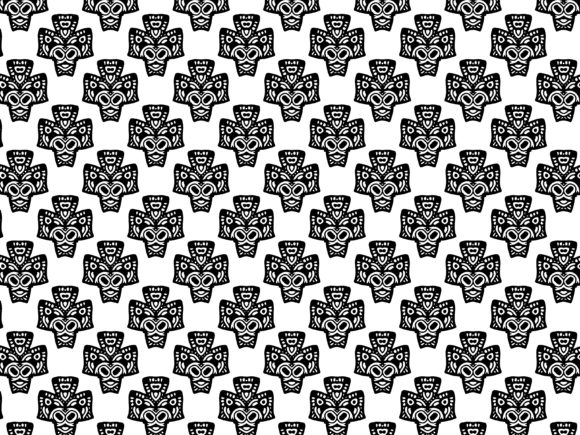
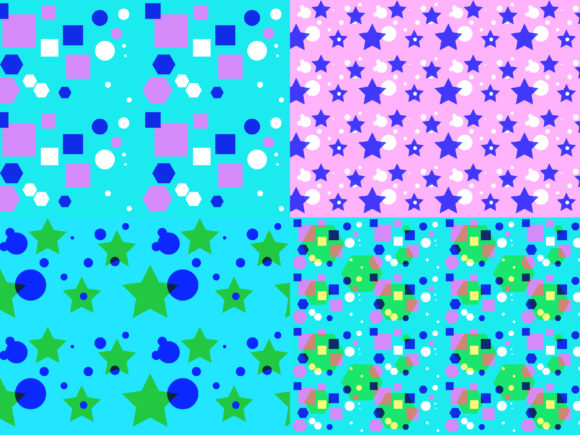
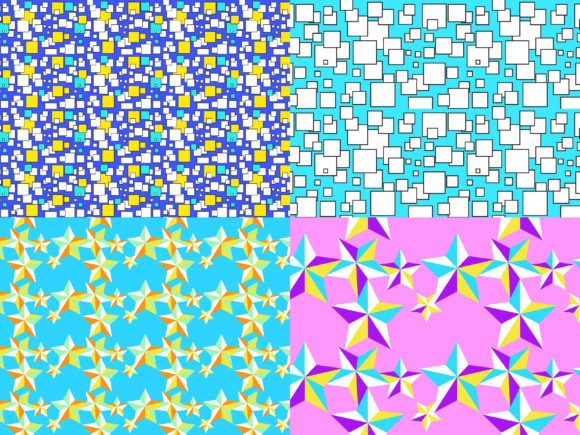
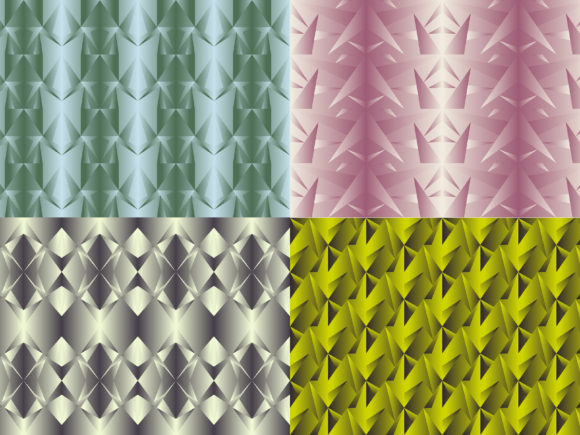
Seamless Pattern Bundling Glass is a collection of high-quality, repeatable design elements that can be used across various creative fields. These patterns are designed to seamlessly tile without visible seams, making them ideal for backgrounds, fabric prints, gift wrapping paper, textile design, home decor, cosmetics, food branding, and more. Whether you're a professional designer or a hobbyist looking to expand your creative toolkit, understanding how to use Seamless Pattern Bundling Glass effectively can significantly enhance your projects.
Understanding Seamless Pattern Bundling Glass
Seamless Pattern Bundling Glass refers to a curated set of repeating graphic designs that are optimized for continuous use. Unlike traditional patterns that may have noticeable edges or breaks when repeated, these patterns are engineered to flow smoothly from one section to the next. This makes them especially useful in digital and print media where seamless tiling is essential for a polished look.
The collection typically includes both JPG and AI file formats, offering flexibility for different applications. JPG files are perfect for web use due to their smaller file size and compatibility with most platforms, while AI files provide editable vector graphics suitable for professional design work.
Common Mistakes When Using Seamless Pattern Bundling Glass
While Seamless Pattern Bundling Glass is a powerful resource, there are several common mistakes that users often make. Recognizing these can help you avoid unnecessary errors and improve your results.
- Choosing the wrong resolution: Using low-resolution images for print or high-impact visuals can lead to pixelation and loss of quality. Always check the resolution requirements of your project before selecting a pattern.
- Ignoring file format limitations: Not matching the file format to your intended use can result in compatibility issues. For example, using an AI file for a website background might not be optimal unless it's converted to a web-friendly format.
- Overlooking pattern scale: Patterns that are too large or too small can disrupt the visual balance of your design. Ensure the pattern scale aligns with the overall composition of your project.
- Not testing on different surfaces: What looks great on a screen may not translate well to fabric or paper. Always test your pattern on the intended medium before finalizing your design.
How These Mistakes Affect Your Work
Making these mistakes can lead to subpar results, wasted time, and increased costs. For instance, using a low-resolution pattern for a product label might require reprints, which adds to production expenses. Similarly, ignoring file format compatibility can cause delays in your workflow or even prevent your design from being used at all.
Practical Advice for Avoiding Common Pitfalls
Here are some practical tips to help you navigate the world of Seamless Pattern Bundling Glass more effectively:
- Review the specifications: Before purchasing or downloading a pattern, read through the description carefully. Look for details about resolution, file format, and usage rights.
- Test your design: Use the pattern in different contexts to ensure it works as intended. This includes checking how it looks on various devices and materials.
- Optimize for your purpose: Choose the right format based on your needs. For web use, JPG files are usually sufficient, while AI files offer greater flexibility for editing and scaling.
- Consider the audience: Think about who will be using your design. A pattern that’s visually striking may not be practical for a product that requires durability or clarity.
Realistic Examples and Better Approaches
Imagine you're designing a line of eco-friendly gift wrapping paper. You choose a Seamless Pattern Bundling Glass that features subtle glass textures. However, you notice that the pattern appears grainy when printed. The mistake here was not considering the print resolution. A better approach would be to select a high-resolution pattern and test it on actual paper before mass production.
Another example involves a blogger creating a website with a custom background. They download a Seamless Pattern Bundling Glass but fail to convert the AI file to a web-ready format. As a result, the background doesn't load properly on mobile devices. The solution is to export the AI file as a high-quality JPG and optimize it for web performance.
What to Check Before Making a Decision
Before committing to a Seamless Pattern Bundling Glass, consider the following factors:
- License terms: Ensure you understand the usage rights associated with the pattern. Some collections may restrict commercial use or require attribution.
- Quality and consistency: Examine the pattern for uniformity and clarity. A high-quality pattern should maintain its appearance regardless of scale or repetition.
- Compatibility: Confirm that the file format supports your intended application. If you're unsure, opt for a versatile format like PNG or JPG.
- Support and updates: Choose a provider that offers customer support and regular updates to ensure your patterns remain relevant and functional.
Conclusion
Seamless Pattern Bundling Glass is a valuable tool for designers, creators, and entrepreneurs alike. By understanding its strengths and limitations, you can make informed decisions that enhance your projects and streamline your workflow. Avoid common mistakes by carefully evaluating your needs, testing your choices, and selecting the right tools for the job. With the right approach, Seamless Pattern Bundling Glass can elevate your creative output and deliver exceptional results.