Seamless Pattern Green Gradient: A Versatile Design Element for Modern Creativity
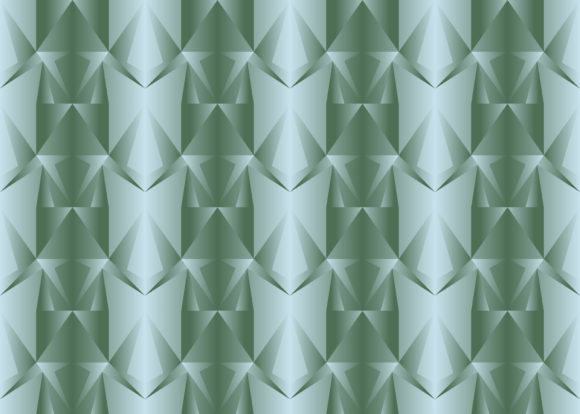
The seamless pattern green gradient has emerged as a powerful design tool across multiple industries. Its unique blend of visual appeal and functional versatility makes it an essential asset for designers, marketers, and creators alike. Whether used in digital interfaces, print media, or physical products, the seamless pattern green gradient offers a fresh and modern aesthetic that resonates with contemporary audiences.
Understanding Seamless Patterns and Their Role in Design
A seamless pattern is a repeating design that can be tiled without visible seams or breaks, allowing it to extend infinitely in any direction. These patterns are created using specialized software tools that ensure continuity at the edges. The seamless pattern green gradient stands out due to its subtle yet impactful color transitions, which create a sense of depth and movement.
Green gradients, in particular, have gained popularity for their calming and natural feel. They are often associated with eco-friendly themes, wellness, and sustainability—key trends in today’s design landscape. This makes the seamless pattern green gradient not only visually appealing but also semantically aligned with current consumer values.
Key Characteristics of the Seamless Pattern Green Gradient
- Color Continuity: The gradient smoothly transitions from one shade of green to another, creating a cohesive and harmonious look.
- Repeatability: The seamless nature allows for endless repetition without distortion or loss of quality.
- Adaptability: It can be customized to suit various color schemes and design needs.
- Visual Depth: The gradient adds dimension and interest to otherwise flat backgrounds or surfaces.
These characteristics make the seamless pattern green gradient ideal for applications where both aesthetics and functionality are important. From digital branding to product packaging, this design element offers a versatile solution that can be tailored to meet specific requirements.
Applications Across Industries
The seamless pattern green gradient finds application in a wide range of fields, each benefiting from its unique properties. Let's explore some of the most common use cases:
Web Backgrounds and Digital Interfaces
In web design, the seamless pattern green gradient serves as a background element that enhances user experience while maintaining visual harmony. It can be used to create a soothing atmosphere on landing pages, dashboards, or e-commerce sites. The gradient’s subtlety ensures that it doesn’t overpower content, making it a great choice for minimalist designs.
Designers often pair the green gradient with complementary colors such as white, gray, or soft blues to achieve a balanced look. This approach is particularly effective in health and wellness websites, where the calming effect of green plays a crucial role in user engagement.
Fabric and Textile Design
In the world of fashion and textile design, the seamless pattern green gradient offers a fresh alternative to traditional prints. It can be used to create fabric patterns for clothing, accessories, and home textiles. The gradient’s fluidity makes it well-suited for items like scarves, upholstery, and wall coverings.
For example, a designer might incorporate the green gradient into a line of eco-conscious apparel, aligning the product with sustainable and environmentally friendly values. This not only appeals to a growing market segment but also reinforces brand identity through consistent visual language.
Gift Wrapping Paper and Packaging
The seamless pattern green gradient is also gaining traction in the gift wrapping and packaging industry. Its elegant and modern appearance makes it a popular choice for luxury and premium brands. Unlike traditional paper patterns, the gradient adds a touch of sophistication that elevates the unboxing experience.
When applied to gift wrap, the gradient can subtly reflect the theme of the product being gifted, whether it's a plant-based item, a skincare product, or a tech gadget. This level of customization enhances the perceived value of the product and creates a memorable impression for the recipient.
Home Decor and Interior Design
Interior designers frequently use the seamless pattern green gradient to add visual interest to spaces. It can be incorporated into wall art, floor tiles, or decorative panels, offering a versatile solution for both residential and commercial environments.
The gradient’s calming effect makes it especially suitable for spaces like bedrooms, spas, and wellness centers. It can also be paired with other elements such as wood accents or metallic finishes to create a balanced and stylish interior.
Advantages of Using the Seamless Pattern Green Gradient
There are several advantages to using the seamless pattern green gradient in design projects:
- Enhanced Visual Appeal: The gradient adds depth and dimension, making static designs more engaging.
- Consistency Across Surfaces: The seamless nature ensures that the pattern looks uniform regardless of the surface it is applied to.
- Easy Customization: Designers can adjust the gradient’s intensity, direction, and color variation to suit different needs.
- Wide Range of Applications: From digital to physical media, the pattern is adaptable to various contexts.
- Cost-Effective Solution: Using a single pattern reduces the need for multiple design assets, saving time and resources.
By leveraging these benefits, creators can streamline their workflow while delivering high-quality, visually compelling results.
Considerations When Implementing the Seamless Pattern Green Gradient
While the seamless pattern green gradient offers numerous advantages, there are a few considerations to keep in mind when implementing it:
Resolution and File Format
As mentioned earlier, the seamless pattern green gradient is typically available in JPG format. However, it’s important to ensure that the resolution is appropriate for the intended use. High-resolution files are necessary for large-scale applications like banners or printed materials, while lower-resolution versions may suffice for digital displays.
Designers should also consider the file size, especially when working with web-based projects. Large image files can slow down website performance, so optimizing the image for the platform is essential.
Color Harmony and Contrast
Although the green gradient is inherently calming, it’s important to ensure that it complements the surrounding elements. Poor color contrast can lead to visual fatigue or reduce readability, especially in digital interfaces.
To avoid this, designers should test the pattern against different background colors and text elements. Tools like color pickers and contrast checkers can help identify optimal combinations that maintain both aesthetic appeal and usability.
Branding Consistency
When using the seamless pattern green gradient as part of a brand’s visual identity, consistency is key. The pattern should align with the brand’s overall color palette and design principles to reinforce recognition and trust.
For example, a company focused on sustainability might choose a muted green gradient to reflect its eco-friendly values. In contrast, a tech startup might opt for a more vibrant gradient to convey innovation and energy.
Conclusion
The seamless pattern green gradient represents a valuable addition to the designer’s toolkit. Its ability to seamlessly integrate into diverse applications—from web design to textile printing—makes it a versatile and practical choice for professionals and hobbyists alike.
By understanding its characteristics, advantages, and considerations, designers can effectively leverage the seamless pattern green gradient to enhance their projects. As the demand for visually appealing and functionally sound design solutions continues to grow, this pattern will undoubtedly remain a staple in the creative world.