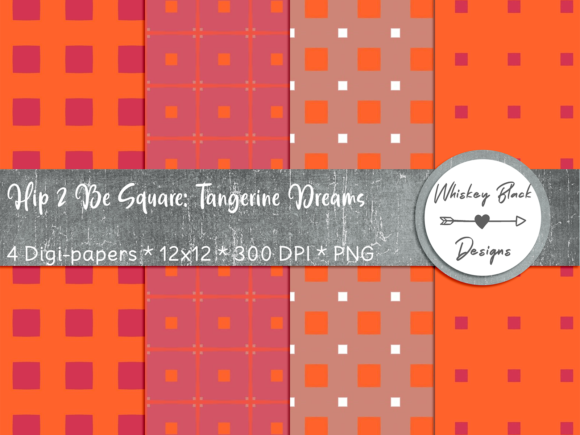
Tangerine Dreams Square Pattern: A Versatile Design for Creative Projects
Exploring the Visual Language of Tangerine Dreams Square Pattern
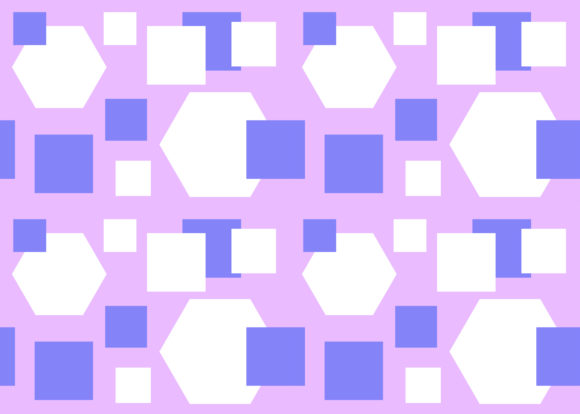
The Tangerine Dreams Square Pattern is a vibrant and dynamic design that captures attention with its bold geometric shapes and warm color palette. This pattern features an intricate arrangement of squares, triangles, and other polygons in a repeating sequence, creating a sense of rhythm and movement across any surface it's applied to. The use of tangerine hues, complemented by neutral and contrasting tones, ensures that this design stands out while remaining adaptable to various creative contexts.
At 12 x 12 inches and 300 DPI resolution, the Tangerine Dreams Square Pattern offers high-quality digital printability, making it ideal for both small-scale and large-format projects. The PNG format preserves transparency and sharp edges, allowing for seamless integration into layered designs or mixed media compositions.
Applications in Crafting and Artistic Expression
One of the most compelling aspects of the Tangerine Dreams Square Pattern is its versatility. It can be used in a wide range of crafting applications, from simple card making to complex mixed media art. For instance, when working on a scrapbook layout, this pattern can serve as a background element that adds visual interest without overpowering the content.
In art journaling, the pattern can be incorporated as a page border, a collage component, or even as an underlying texture. Artists often find that using such patterns helps them establish a cohesive visual theme across their work, especially when paired with other elements like hand-drawn illustrations or photographs.
For those who use die-cutting machines, the Tangerine Dreams Square Pattern provides an excellent opportunity to experiment with negative space and layering. By cutting out sections of the pattern, creators can produce dimensional effects that add depth and complexity to flat surfaces.
Additionally, the pattern is well-suited for junk journal assembly. Its geometric nature complements the eclectic mix of materials typically found in junk journals, such as fabric scraps, buttons, and vintage paper. The pattern acts as a unifying element that ties together disparate components into a visually harmonious whole.
Design Characteristics and Their Impact on Use Cases
The Tangerine Dreams Square Pattern possesses several key design characteristics that influence how it can be used in different contexts. First, its geometric composition allows for easy alignment and repetition, which is particularly useful in grid-based layouts or modular design systems. This makes it a great choice for planners, calendars, and templates where consistency is important.
Second, the pattern’s color scheme—dominated by tangerine shades—creates a warm and inviting aesthetic. This warmth can evoke feelings of energy and optimism, making the pattern suitable for projects aimed at uplifting or inspiring the viewer. However, it also means that careful consideration must be given to color contrast when combining it with other elements.
Third, the pattern’s scale is optimized for both detail-oriented and abstract applications. The 12 x 12 inch size is perfect for individual sheets or panels, while the 300 DPI resolution ensures that the design remains crisp and clear even when enlarged. This adaptability allows artists and designers to use the pattern in a variety of formats, from small greeting cards to large wall murals.
Considerations for Using Tangerine Dreams Square Pattern
While the Tangerine Dreams Square Pattern is highly versatile, there are certain considerations that should be taken into account when incorporating it into a project. One such consideration is the balance between the pattern and other visual elements. Since the pattern is quite prominent, it may overwhelm simpler designs if not used judiciously. To avoid this, it’s recommended to use the pattern as a background or secondary element rather than the focal point.
Another consideration is the compatibility of the pattern with different printing methods. While the PNG format supports transparency, some printers may not handle transparent backgrounds well, especially when printing on textured or colored paper. In such cases, it may be necessary to adjust the pattern or apply a white background before printing.
Lastly, the pattern’s geometric nature may not be suitable for every artistic style. While it works exceptionally well with modern, contemporary, or retro-futuristic aesthetics, it may clash with more organic or natural themes. Artists should consider the overall mood and message of their project before deciding whether to use this pattern.
Real-World Examples and Observations
Many crafters have shared their experiences with the Tangerine Dreams Square Pattern online, highlighting its effectiveness in various applications. One popular use case involves creating custom invitations for events such as weddings or birthdays. The pattern adds a playful yet sophisticated touch that appeals to a wide audience.
Another example comes from educators who have integrated the pattern into classroom activities. Teachers have reported that students enjoy working with the pattern due to its engaging visuals and ease of manipulation. It has been used in lessons about geometry, symmetry, and color theory, demonstrating its educational value beyond just decorative purposes.
Business owners have also found creative ways to utilize the pattern. For instance, a boutique store owner used the Tangerine Dreams Square Pattern as a backdrop for product displays, enhancing the visual appeal of the items on sale. Similarly, a branding agency incorporated the pattern into packaging designs for a new line of eco-friendly products, aligning the design with the brand’s vibrant and innovative image.
Comparisons with Other Digital Patterns
When compared to other digital patterns available in the market, the Tangerine Dreams Square Pattern distinguishes itself through its unique combination of color and form. Unlike many floral or abstract patterns that rely heavily on soft curves and gradients, this pattern uses sharp angles and solid blocks to create a more structured and defined look.
This structural approach gives the pattern a distinct advantage in projects that require clarity and precision, such as signage, labels, or instructional materials. Additionally, the tangerine color palette sets it apart from more common pastel or monochromatic options, offering a fresh and eye-catching alternative.
However, it’s worth noting that the pattern may not be as suitable for projects that demand subtlety or minimalism. In such cases, a more muted or textured pattern might be a better choice. Nevertheless, for those seeking a bold and expressive design, the Tangerine Dreams Square Pattern remains an excellent option.
Conclusion
The Tangerine Dreams Square Pattern is a powerful and flexible design that can enhance a wide range of creative projects. Whether used in card making, art journaling, or mixed media art, this pattern brings energy, structure, and visual interest to any composition. Its high-resolution format and vibrant color palette ensure that it remains a valuable resource for both novice and experienced creators alike.