Leaf Design Patterns
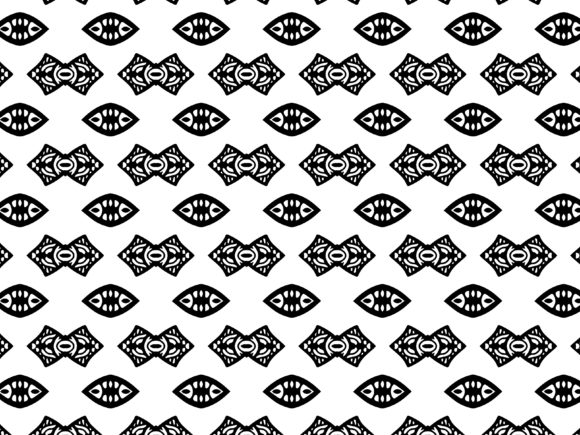
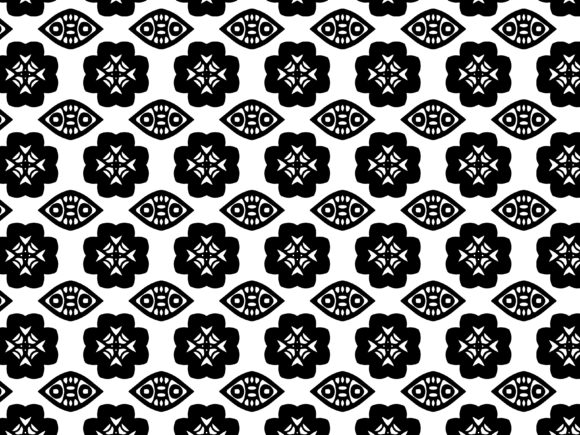
Design Pattern from Leaf is a creative approach that blends the organic shapes of leaves with clean, modern design principles. This style has gained popularity among designers and creators who appreciate the natural aesthetics of nature combined with the simplicity of flat design. Whether you're working on branding, illustrations, or digital assets, understanding how to use leaf-based design patterns can open up new possibilities for your projects.
What Makes Leaf Design Patterns Unique?
Leaf design patterns are more than just decorative elements—they represent a thoughtful way to incorporate nature into digital work. These patterns often feature soft curves, subtle textures, and a sense of movement that mimics real-world foliage. Unlike traditional floral designs, which can be overly intricate, leaf patterns tend to be more streamlined and versatile.
The appeal of leaf design lies in its ability to evoke calmness and connection to the environment. It’s a style that works well in both minimalist and vibrant contexts, making it adaptable for a wide range of applications. When paired with flat design principles—such as limited color palettes, bold outlines, and no gradients—it becomes even more powerful.
Flat Design Meets Nature
Flat design is all about simplicity, clarity, and functionality. It eliminates unnecessary details and focuses on clean lines and clear visual hierarchy. When applied to leaf patterns, this results in elegant, scalable graphics that maintain their quality at any size.
These EPS 10 files, which are vector-based, allow for easy customization and scalability. They can be opened in any software that supports vector graphics, such as Adobe Illustrator, CorelDRAW, or Inkscape. This makes them ideal for both professionals and hobbyists looking to experiment with leaf-inspired designs.
Why Use Leaf Design Patterns?
There are several reasons why designers might choose to use leaf design patterns. First, they offer a fresh alternative to standard geometric or abstract shapes. Second, they provide a natural element that can add depth and interest to otherwise plain layouts. Third, they are highly customizable, allowing users to tweak colors, sizes, and placements to suit their specific needs.
For small business owners, educators, or marketers, leaf design patterns can be used to create eye-catching visuals for websites, social media posts, or print materials. They can also serve as background elements in presentations, infographics, or branding assets, helping to reinforce a brand’s identity while keeping it visually engaging.
Practical Use Cases
- Branding: Incorporate leaf patterns into logos, packaging, or website backgrounds to reflect a company's commitment to sustainability or natural themes.
- Education: Teachers can use these patterns in lesson plans or interactive materials to make learning more engaging, especially in subjects like biology or environmental science.
- Marketing: Create promotional graphics, banners, or social media content that stand out with unique, nature-inspired visuals.
- Personal Projects: Artists and hobbyists can explore creative ways to integrate leaf patterns into their personal work, whether it's for digital art, scrapbooking, or crafting.
Choosing the Right Leaf Design Pattern
Before selecting a leaf design pattern, consider the purpose and context in which it will be used. Are you aiming for a subtle background effect, or do you need a more prominent graphic? The complexity of the pattern should match the overall design aesthetic.
Also, pay attention to file formats. Since these are EPS 10 files, they are vector-based and can be scaled without losing quality. This is especially important for print and digital use where high-resolution images are essential. Additionally, ensure that the design aligns with your project’s color scheme and overall theme.
Getting Started with Leaf Design Patterns
If you're new to using design patterns, start by exploring different variations available in EPS format. Experiment with layering, combining, and modifying the patterns to fit your needs. Many designers find it helpful to test the patterns in various settings before finalizing their use in a project.
Consider joining online communities or forums where designers share tips, resources, and feedback. These spaces can be invaluable for learning best practices and staying updated on trends in design and illustration.
Conclusion
Design Pattern from Leaf offers a unique blend of natural beauty and modern simplicity. Whether you're a professional designer, a small business owner, or a hobbyist, these patterns can enhance your creative projects in meaningful ways. By understanding their characteristics, uses, and limitations, you can make informed decisions about how to incorporate them into your work effectively.