Paleontologist Pattern Dinosaur Pattern: A Creative Guide for Designers and Enthusiasts
Whether you're a designer, educator, or simply a dinosaur enthusiast, the Paleontologist Pattern Dinosaur Pattern offers a unique blend of scientific inspiration and artistic expression. This digital paper design brings prehistoric themes to life with intricate illustrations of fossils, bones, and ancient creatures. It’s not just for kids—adults are increasingly using these patterns in creative projects, from home decor to educational materials.
The appeal of this pattern lies in its ability to merge educational value with aesthetic beauty. However, choosing the right design and using it effectively requires more than just visual appeal. Let's explore what you need to know before diving into the world of Paleontologist Pattern Dinosaur Pattern.
Understanding Paleontologist Pattern Dinosaur Pattern
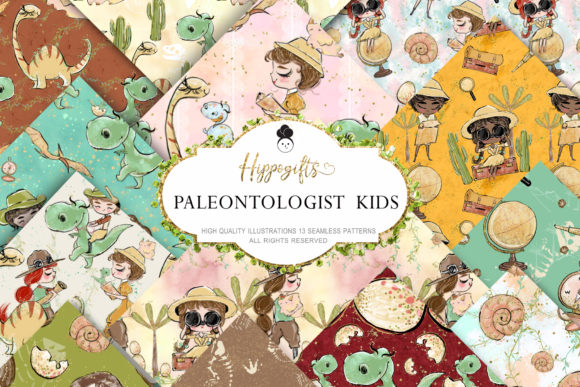
The Paleontologist Pattern Dinosaur Pattern is typically found as a digital paper set, often including multiple JPEG files that can be used for printing or digital design purposes. These patterns usually feature elements like fossilized textures, skeletal outlines, and stylized dinosaur silhouettes. The 8x8 inch seamless format makes it easy to tile across large surfaces without visible seams.
These designs are popular among educators who want to create visually engaging learning tools, hobbyists looking for unique fabric prints, and even entrepreneurs aiming to add a touch of prehistoric charm to their products.
Common Mistakes When Choosing Paleontologist Pattern Dinosaur Pattern
Selecting the right pattern isn’t always straightforward. Many people overlook key details that can affect the final outcome of their project. Here are some common mistakes to avoid:
- Ignoring Color Accuracy: Different monitors display colors differently. Before finalizing your choice, view the pattern on multiple devices to ensure the colors match your expectations. If possible, request a physical sample to compare with the digital version.
- Overlooking Resolution: While the provided JPEG files are suitable for many uses, they may not be high enough resolution for professional printing. Always check the file size and DPI (dots per inch) to ensure quality output.
- Misusing the Pattern: Some users apply the pattern without considering the context. For instance, using a bold dinosaur silhouette on a busy background might make the design look cluttered. Always consider how the pattern will interact with other elements in your design.
Practical Advice for Using Paleontologist Pattern Dinosaur Pattern
To get the most out of your Paleontologist Pattern Dinosaur Pattern, follow these practical tips:
- Test Before Committing: Use a small section of the pattern in your design first. This allows you to see how it looks in context before applying it to the entire project.
- Combine with Complementary Elements: Pair the pattern with neutral or muted backgrounds to let the prehistoric elements stand out. Consider adding subtle textures or gradients for depth.
- Check Licensing Terms: Ensure that the pattern is licensed for your intended use. Some digital papers come with restrictions on commercial use, so read the terms carefully before downloading.
What to Look for in a Quality Paleontologist Pattern Dinosaur Pattern
A good Paleontologist Pattern Dinosaur Pattern should meet several criteria to ensure usability and satisfaction. Here's what to look for:
- High-Quality Resolution: Files should be at least 300 DPI for print and 72 DPI for web use. Higher resolution ensures clarity and detail, especially when enlarging the image.
- Seamless Tiling: The pattern should tile seamlessly to avoid visible breaks when repeated. This is crucial for large-scale applications like wall art or fabric.
- Variety of Designs: A set containing multiple JPEG files provides flexibility. You can choose different variations depending on the project's needs, whether it's a boy scout-themed backpack or a safari-inspired notebook cover.
Realistic Examples and Better Approaches
Let's say you're creating a dinosaur-themed birthday party invitation. Instead of using the Paleontologist Pattern Dinosaur Pattern as the main focus, pair it with a clean, white background. This approach keeps the design from feeling overwhelming while still incorporating the prehistoric theme.
Another example: if you're designing a fabric pattern for a child's bedding, consider using a softer, more pastel version of the pattern. This creates a calming atmosphere while still keeping the dinosaur motif present.
Conclusion
The Paleontologist Pattern Dinosaur Pattern is a versatile and engaging design option for a wide range of applications. By understanding its features and avoiding common pitfalls, you can enhance your creative projects and achieve better results. Whether you're an educator, designer, or hobbyist, taking the time to evaluate and apply the pattern thoughtfully will lead to greater satisfaction and success in your work.